
Spring – summer
Yoav Perlman enjoys massive late spring migration and cool breeding birds in Israel
In my previous post I went mental about what happened here in March and April, and May was just as good. The massive flood of migrants continued to pour over southern Israel. Huge numbers of migrants were on the ground and overhead. Until mid-month birding was very very busy, there was so much to see.
Only few foreign birders experience Birding in Israel in May. Most European birders are too pink and soft. Temperatures are very high, so birding is tough and limited to the early morning hours and late afternoon. But it can be very rewarding indeed. For instance, I did a one-day trip in early May to the southern Negev and Eilat area. The first place I stopped, Neot Smadar, provided me one of the most spectacular and busy birding experiences I have ever experienced. I witnessed an amazing fall of migrants – in a small area with some wee fields and orchards I had many thousands of common migrants, including numbers such as 150 Spotted Flycatchers, 250 Tree Pipits, 70 Red-backed Shrikes among the thousands of Blackcaps, Lesser Whitehtoats and Ortolans.
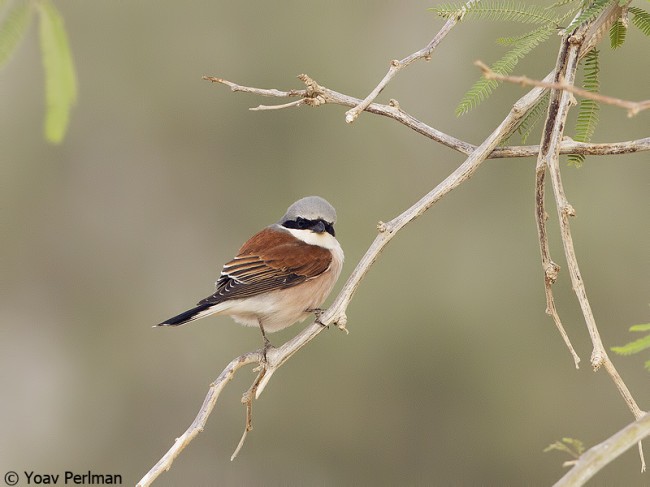
Red-backed Shrike, Negev, Israel, May 2012
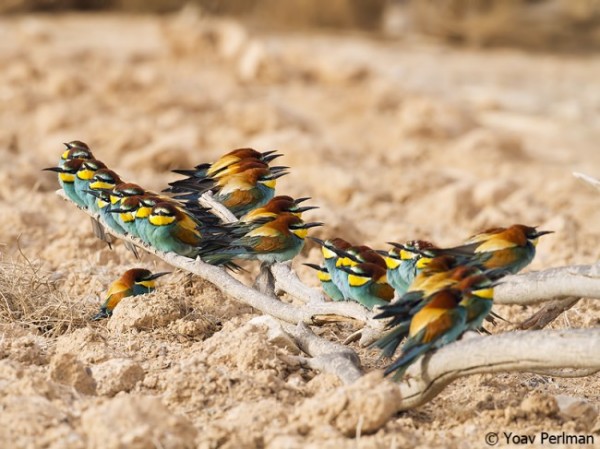
Lots of colour was added to the scene by exhausted European Bee-eaters feeding on bee hives in the orchards. The flock below was especially aesthetic. Possibly one of these bee-eaters made it into the international headlines – one bird carrying an Israeli ring was found dead in a small village in eastern Turkey last month. Apparently one of its nostrils was unusually large, which led the locals to suspect it was carrying a spying device installed by the Israeli Mossad. Check the full story here for instance. In fact I am going birding near that village in E Turkey this coming weekend; wish me luck – I hope I’m not on their black lists after I was quoted in various media sources on this matter.
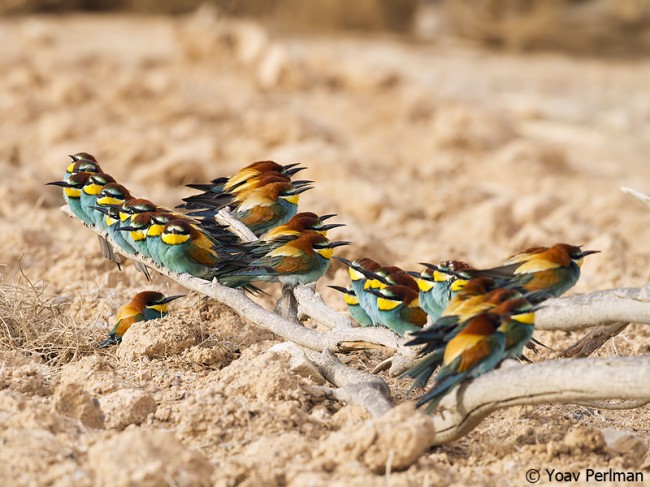
European Bee-eaters, southern Negev, Israel, May 2012.
After birding there for about an hour I felt I had to leave – there were so many birds that I didn’t know what to look at first, and I had this bizzare feeling that because there were so many birds about in fact I was seeing very little. I drove away and tried hard to find a place with fewer birds, where I hoped to find something good, but I failed – the whole Arava Valley was just jammed full with birds on the ground.
Overhead the sky highway was very busy too – it was a peak day for Honey Buzzard migration. I did not count them but it is not unusual to have 100,000 birds or more on such days.
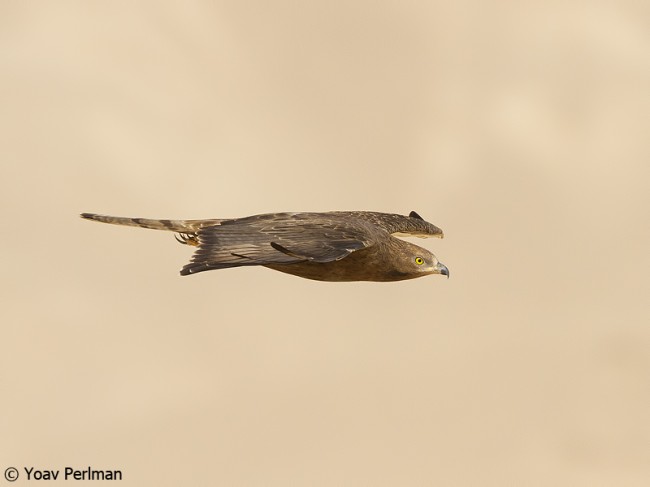
Eurasian Honey Buzzard, Arava Valley, Israel, May 2012
I still managed to see some good birds down south. Black Bush Robin, nicknamed in Israel “The Black Prince”, is always fun to watch but this specific individual performed an interesting behaviour of jumping around spreading its wings and tail continuously.
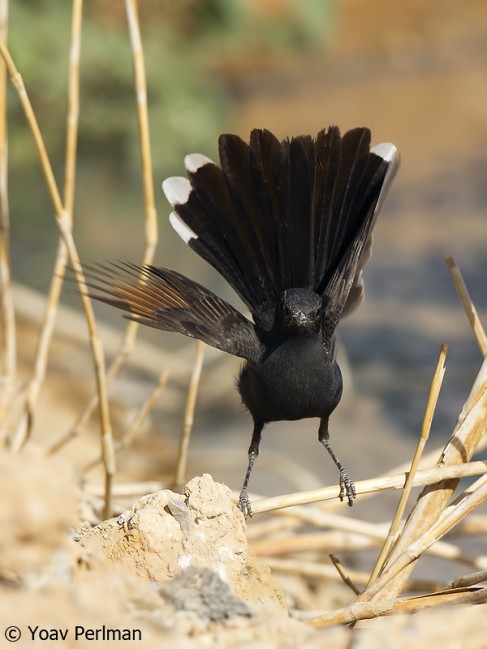
Black Bush Robin, southern Negev, May 2012
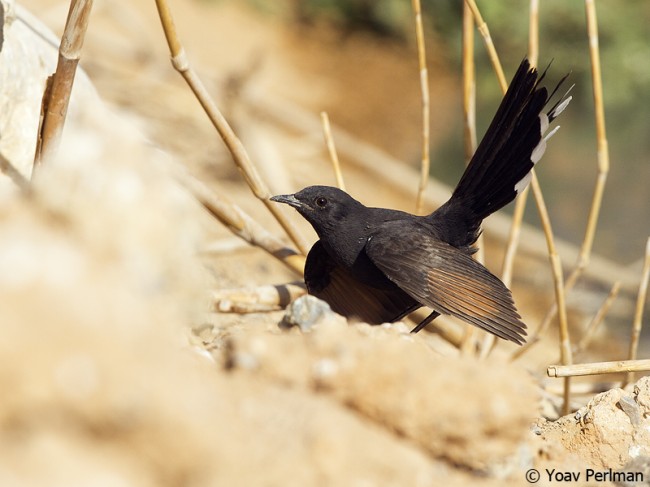
Black Bush Robin, southern Negev, Israel, May 2012
Arabian Dunn’s Lark is quite an enigmatic bird. It is highly nomadic, and breeds in Israel only during exceptional rain events in the desert, like in winter-spring 2010. This year our deserts didn’t receive a single drop of rain, so these rare larks didn’t breed here, but I managed to catch up with a lone individual in Yotvata:
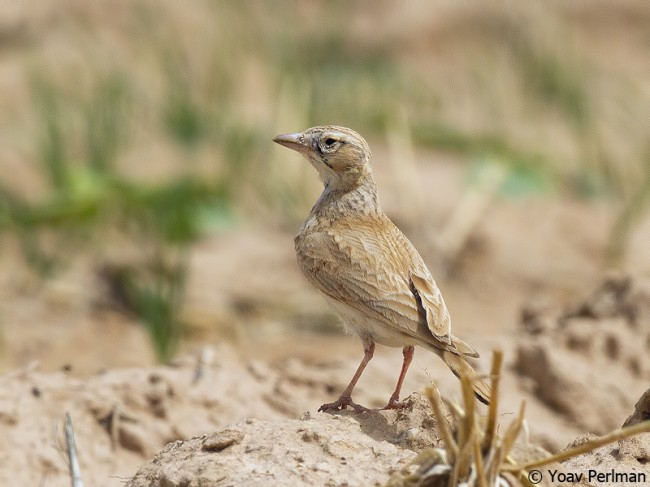
Arabian Dunn's Lark, Yotvata, Israel, May 2012
Breeding fun
In recent weeks I was lucky to study, monitor and photograph some of Israel’s best breeding birds. While massive migration takes place, the breeders have no time to waste and in fact breeding is almost over now in Israel. This competition on resources between migrants and breeding birds has been well studied and described, and leads to some interesting interactions; see i.e. here.
Upcher’s Warbler might not be the prettiest bird on our planet, but it’s rare and certainly a ‘good bird’:
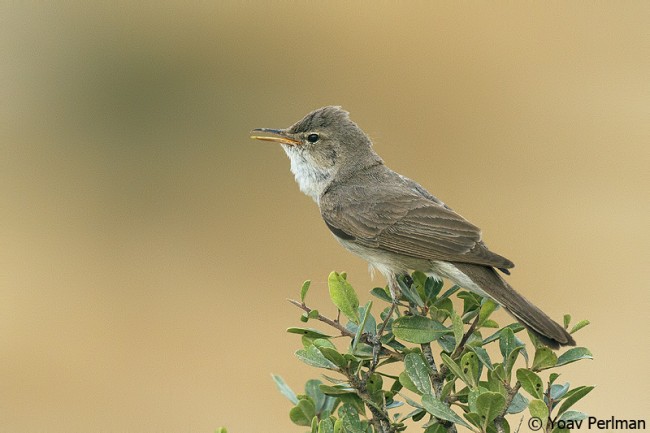
Upcher's Warbler, Lakhish, Israel, May 2012.
Spectacled Warblers are very cute – especially the juveniles.
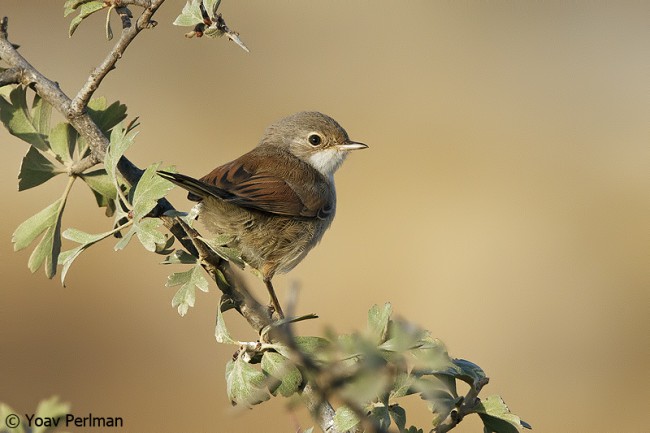
Spectacled Warbler - juvenile, Lakhish, Israel, June 2012.
I spent many nights recently with “my” Nubian Nightjars – the threats on their last remaining habitat are intensifying but at least they had a good breeding season this year.
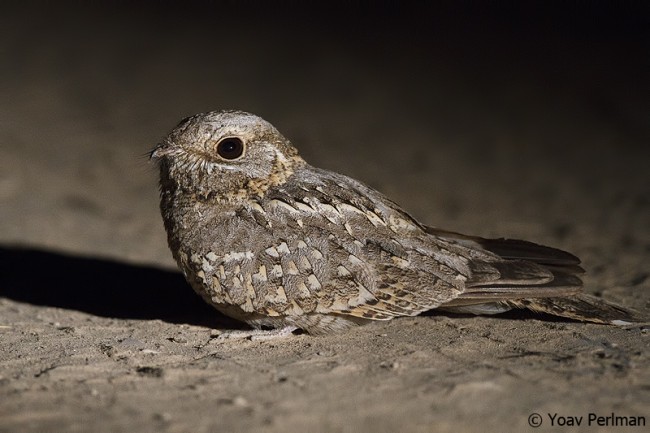
Nubian Nightjar - adult, Neot Hakikar, Israel, June 2012
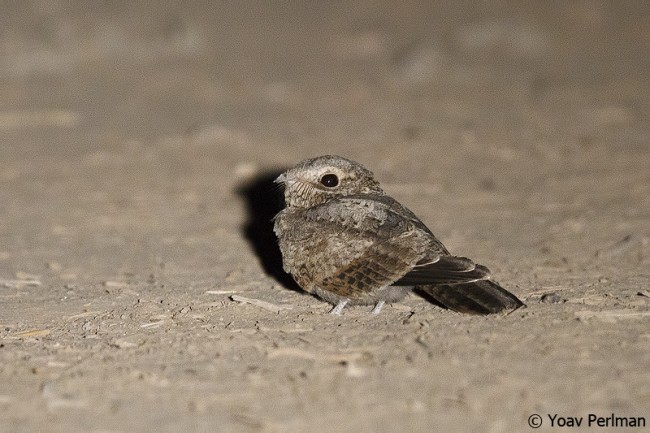
Nubian Nightjar - recently fledged juvenile, Neot Hakikar, Israel, June 2012.
Astounding photos. Great job Yoav. I know exactly what you mean by the feeling of somehow missing something when there is so much around you in such a spectacular fall. I experienced that at High Island in April 1997. Standing in one place, you’d see more in an hour than in a typical entire year, yet somehow I stupidly felt the need to rush around and check out every place on the peninsula.
I agree .. astounding photos and I just love your posts Yoav.
Jude
What a beautiful post and most amazing pictures …. I just loved it. If you ever come to the Caribbean, visit Trinidad and Tobago. The islands are situated
in in the southern Caribbean Sea and are in close proximity to the South
American continent. Owing to this, the variety of birds that can be discovered
and observed in T&T is with its 430 bird species large and holds excitement
for the bird watching beginners as well as for ornithologists and the bird
watching enthusiast. The Scarlet Ibis is a species of ibis that occurs in
tropical South America and Trinidad and Tobago. The largest habitat of the
Scarlet Ibis is the Caroni Swamp in central Trinidad. The Cocrico (Red tailed
Guan or Rufus -tailed Chachalaca) is a native of Tobago and Venezuela, but is
not found in Trinidad. The blue crowned Motmot is seen in Trinidad as well as
in Tobago. I could go on and on but the best thing to do is to visit Trinidad
and Tobago yourself! Hews Tours in Tobago (www.hews-tours.com)
will be happy to find the best birding spots and the best birding guides for
you.